
Cart

Let's be honest—we've all walked into someone's living room and thought, "Wow, did they win the lottery or just max out their credit cards?" Creating that expensive vibe doesn't actually require selling a kidney or marrying rich (though I won't judge your life choices). The secret to living room luxury is all about strategic choices, clever tricks, and knowing exactly where to splurge and where to save. Think of it as putting on a designer outfit but secretly wearing bargain undies—no one needs to know the whole truth! So grab your fancy notebook (or that free hotel pen you "borrowed"), and let's transform your living room from "meh" to "magnificent" without requiring a second mortgage! If you're looking for a quick-start solution, consider Abstract Showpieces for budget-friendly living room transformations that make every corner sing expensive without the uptown price tag.

Nothing whispers "old money" quite like crown molding. It's the architectural equivalent of pearls—timeless, elegant, and instantly elevates anything it touches. The best part? Today's DIY-friendly foam and polyurethane options are lightweight, affordable, and can be installed faster than you can say "Downton Abbey marathon." Just paint it the same color as your ceiling for a subtle sophistication or go bold with contrasting colors if you're feeling particularly fancy. Warning: once installed, you may find yourself speaking with a slight British accent and craving afternoon tea. Accentuate that high-end detail even more with Modern design statues for elevated living room decor accents that sit beautifully atop a console shelf or highlight an architectural corner.

Lighting is the makeup of interior design—it can highlight your best features and cleverly disguise the not-so-great ones. Ditch those builder-grade flush mounts (aka the pancakes stuck to your ceiling) and embrace layers of lighting: table lamps with substantial bases, floor lamps that arch dramatically, and perhaps a statement chandelier that makes you feel like you should be hosting fancy dinner parties instead of eating takeout in your pajamas. Pro tip: Install dimmer switches and watch as your ordinary room transforms into a magazine-worthy space each evening. Your friends will never know that magical ambiance is hiding the fact that you haven't dusted in two weeks! Pair your lighting revamp with Artistic wall hangings that shine under ambient lighting schemes to double your decor glow.

Nothing screams "my living room still lives with its parents" like short curtains floating awkwardly above the window frame. For instant luxury, hang curtains from ceiling to floor, even if your actual windows are more modest. This designer trick creates the illusion of taller ceilings and grander windows—basically, architectural Spanx for your living room. Choose fabrics with some weight to them, and ensure they just kiss the floor (or "puddle" slightly for extra drama). Your windows will go from awkward teenager to sophisticated adult faster than you can say "interior design influencer." Enhance that visual height even more by adding Tall showpieces that perfectly complement dramatic curtain drops to your corner setups for a regal finish.

You don't need a fine arts degree to curate wall art that looks expensive—you just need to know a few insider tricks. Large-scale pieces make a bigger impact than gallery walls of tiny frames (which scream "I printed these from my vacation photos"). Consider framing vintage scarves, textile pieces, or even fancy gift wrapping paper for instant wall candy. Or go dramatic with an oversized canvas painted in a single bold color with perhaps one metallic accent stripe—people will assume it's an original abstract piece worth thousands, not your Sunday afternoon DIY project that cost less than a decent pizza. Up the ante with Resin and ceramic vases that double as sculptural wall-bound accessories to complete your DIY masterpiece corner.

If your sofa is starting to look as tired as you feel on Monday mornings, don't panic—just inject some new life with strategic throw pillows. The key to luxurious-looking pillows isn't just the cover but what's inside them. Replace those sad, deflated inserts with plump down or down-alternative fillers that stand at attention like well-trained soldiers. Mix textures like velvet, linen, and silk for that "I definitely didn't buy all these at the same store" vibe. Remember: odd numbers work best, and bigger is usually better (22" pillows look infinitely more luxe than their 18" counterparts). Your couch will go from "napping spot" to "photoshoot ready" faster than you can say "interior stylist." Complete the cozy wow-factor with Small decorative showpieces that complement luxe throw pillows for balanced charm.

Nothing says "I'm sophisticated and totally not just binge-watching reality TV" like a carefully curated stack of coffee table books. The trick is to choose books with gorgeous covers on subjects that vaguely interest you, so when someone asks about that massive Architectural Digest compilation, you can mumble something about "being drawn to mid-century modernism" before quickly offering them another drink. Bonus points for artfully arranging a small object on top—perhaps a crystal you impulse-bought because it "spoke to you" or a quirky vintage item that prompts questions you can answer with, "Oh, I found it at this amazing little shop in..." (insert trendy neighborhood here). Take it a step further with Showpieces for living room tables that exude world-traveler vibes without ever needing a passport.
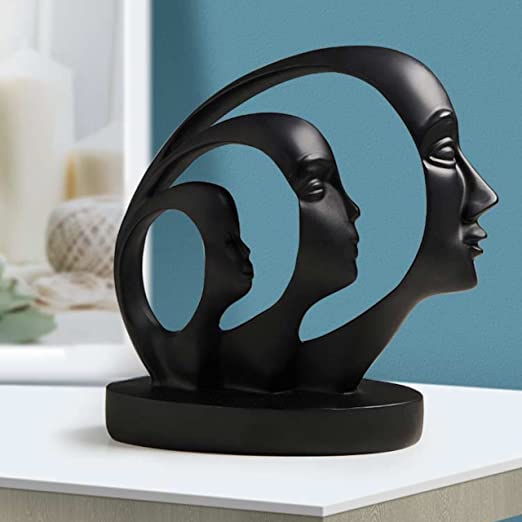
Mirrors are basically magic wands for interior designers. They reflect light, expand space, and somehow make even the most humble room look twice as fancy. For maximum impact, go oversized—think "could I see my entire outfit before leaving the house" big. Lean a floor-length mirror against the wall for that casual-yet-deliberate look that says, "Yes, I could afford to hang this properly, but I'm too cool and artistic for that." Or create a statement wall with a collection of mirrors in varying metallics and shapes. Just be strategic about placement unless you want guests to catch their reflection while they're stuffing appetizers into their mouth at your next gathering. Reflect the style even more with Statement corner showpieces that bounce light and style in all the right ways.
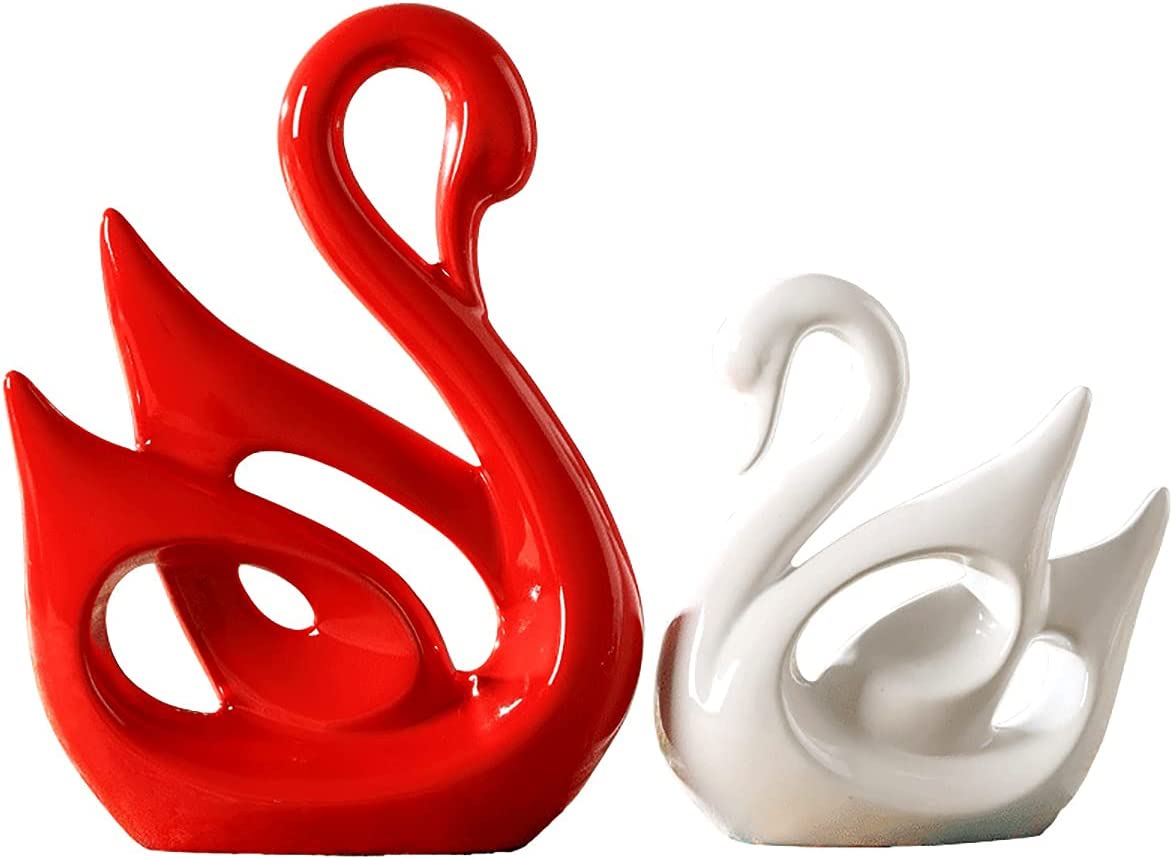
Nothing adds life to a living room quite like... well, actual life! Substantial indoor plants create instant expensive vibes, suggesting you have both the space and responsibility level to care for another living thing. If your plant-parenting skills are questionable at best, fear not—today's faux greenery is surprisingly realistic (unlike those plastic nightmares at your dentist's office). Invest in one statement plant (real or fake) like a towering fiddle leaf fig or an elegant olive tree. Place it in a textured basket or a substantial ceramic pot that looks like it should cost more than your monthly coffee budget. Decorative ceramic plant holders for luxe green corners can make any humble potted plant look like a sculpture from a design magazine.

Nothing screams "rental apartment vibes" quite like a postage-stamp-sized rug floating sadly in the center of your living room. The cardinal sin of rugs is going too small—if your rug looks like an island in a sea of flooring, it's time for an upgrade. A properly sized rug should allow for at least the front legs of all furniture to rest comfortably on it, creating a defined conversation area. If budget is a concern (isn't it always?), layer a more expensive smaller rug over an inexpensive larger jute or sisal base. This creates texture, interest, and the illusion that you definitely consulted a professional on your flooring situation. You can underline that polished look by placing Medium-sized statues that enhance organized seating zones to anchor rug-defined conversation areas.

Here's a wealthy-person secret: rich people have less stuff. Not less expensive stuff, just less stuff overall. That's because true luxury is having space—space to breathe, space to move, and space to display only items that bring joy or have meaning. Channel your inner minimalist (or at least a reasonable facsimile) and remove about 25% of your current decorative objects. Suddenly your remaining pieces will look more intentional and important. Group similar items together rather than sprinkling them throughout the room like confetti, and leave some surfaces refreshingly, deliberately empty. Incorporate Minimalist-style showpieces for small rooms that still radiate charm for purposeful simplicity.

The difference between a room that looks expensive and one that actually is expensive often comes down to touchable textures. Incorporate natural materials wherever possible—wool, cotton, linen, leather, wood, marble (or convincing marble-look alternatives). Mix in something unexpectedly plush like a sheepskin throw draped casually over your reading chair or a buttery-soft leather ottoman that practically begs people to put their feet up. These tactile elements create a multi-sensory experience that says "luxury" even when the price tags said "sale." Elevate the sensory vibe using Glazed texture decorative items for living room corner settings that invite closer looks and lingering touches.

Focus on scale (go bigger with art and rugs), quality materials (even if in smaller quantities), proper lighting (layers are key), and decluttering (less is more). Invest in one or two statement pieces rather than many mediocre items. Adding architectural details like crown molding, upgrading your window treatments to floor-length, and incorporating a mix of textures will instantly elevate your space from basic to bougie.
The secret sauce is attention to detail—think tailored cushions with quality inserts, properly sized rugs, strategically placed mirrors, and consistent color schemes (limiting your palette makes everything look more intentional). Incorporate metallics as accents rather than main features, upgrade your lighting fixtures, and invest in proper frames for artwork. Finally, maintain ruthless editing—wealthy spaces never look cluttered or overstuffed.
The biggest offenders include visible cords and electronics, wall-to-wall clutter, mismatched furniture that looks collected by accident rather than design, artwork hung too high, tiny rugs, plastic or obviously fake-looking materials, and excessive themed decor. Other culprits include boob lights (those dome ceiling fixtures), vertical blinds, and keeping items past their prime because "they still work" despite looking worn or dated.
While renovated kitchens and bathrooms typically offer the highest return on investment, don't underestimate the power of curb appeal and first impressions. In living spaces specifically, hardwood floors (or quality alternatives), upgraded lighting fixtures, fresh neutral paint, and architectural details like crown molding or built-ins can significantly boost perceived value. Remember: buyers often make decisions based on emotional responses to spaces, so creating a living room that feels both spacious and inviting is key.
The 70/30 rule suggests that 70% of your room should be in your primary color choice, while 30% should be in accent colors. This creates visual interest without chaos. Another interpretation applies to furniture arrangement: 70% of your furniture should be placed against walls, while 30% should "float" in the room to create conversation areas and flow. Either way, this rule helps create balance that feels intentionally designed rather than randomly assembled.


